Tackle Built for Pike
Gear that actually works for pike
You're matching your setup to how pike hunt, not trying to make them fit your gear.
Pike hit hard and they don't quit. They're hunting based on wobble and vibration, not what color your lure is. That's the whole reason generic freshwater tackle falls short. You need gear that's built around how pike actually behave, which means soft plastics with a tail that moves like something real, rods that let you feel a take from 40 feet away, and reels that can handle the fight. We carry Savage Gear, Rapala, Abu Garcia, and the other names that serious anglers reach for. Whether you're learning how to work a figure-eight or you're setting up to troll for fish in the 30-pound range, having the right equipment makes a real difference.
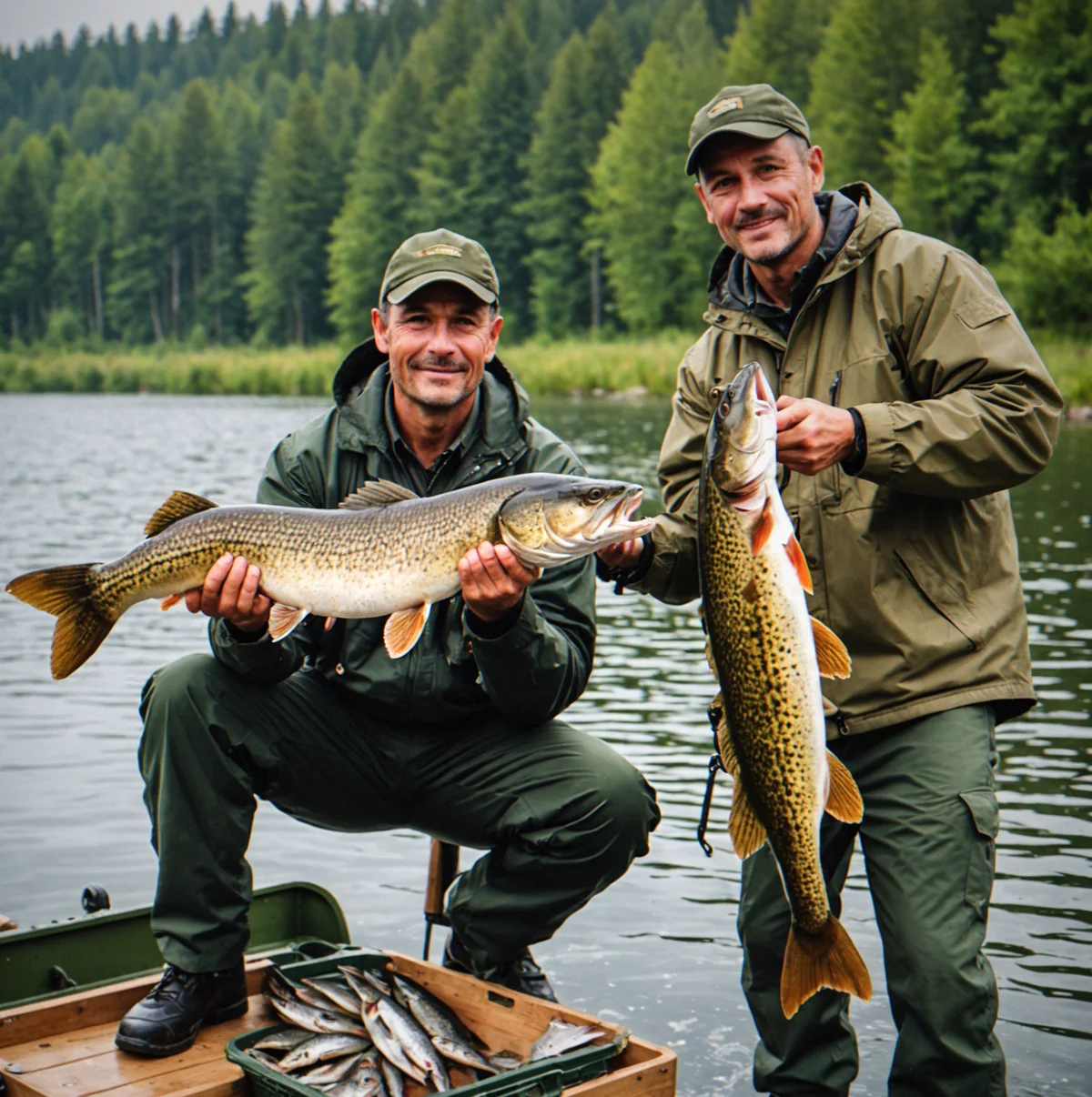
Pike Tackle in Action
You've got around 30 lure patterns to choose from, five different rod weights, and a couple of ways to work them. The trick is matching what you're throwing to the fish and water conditions.
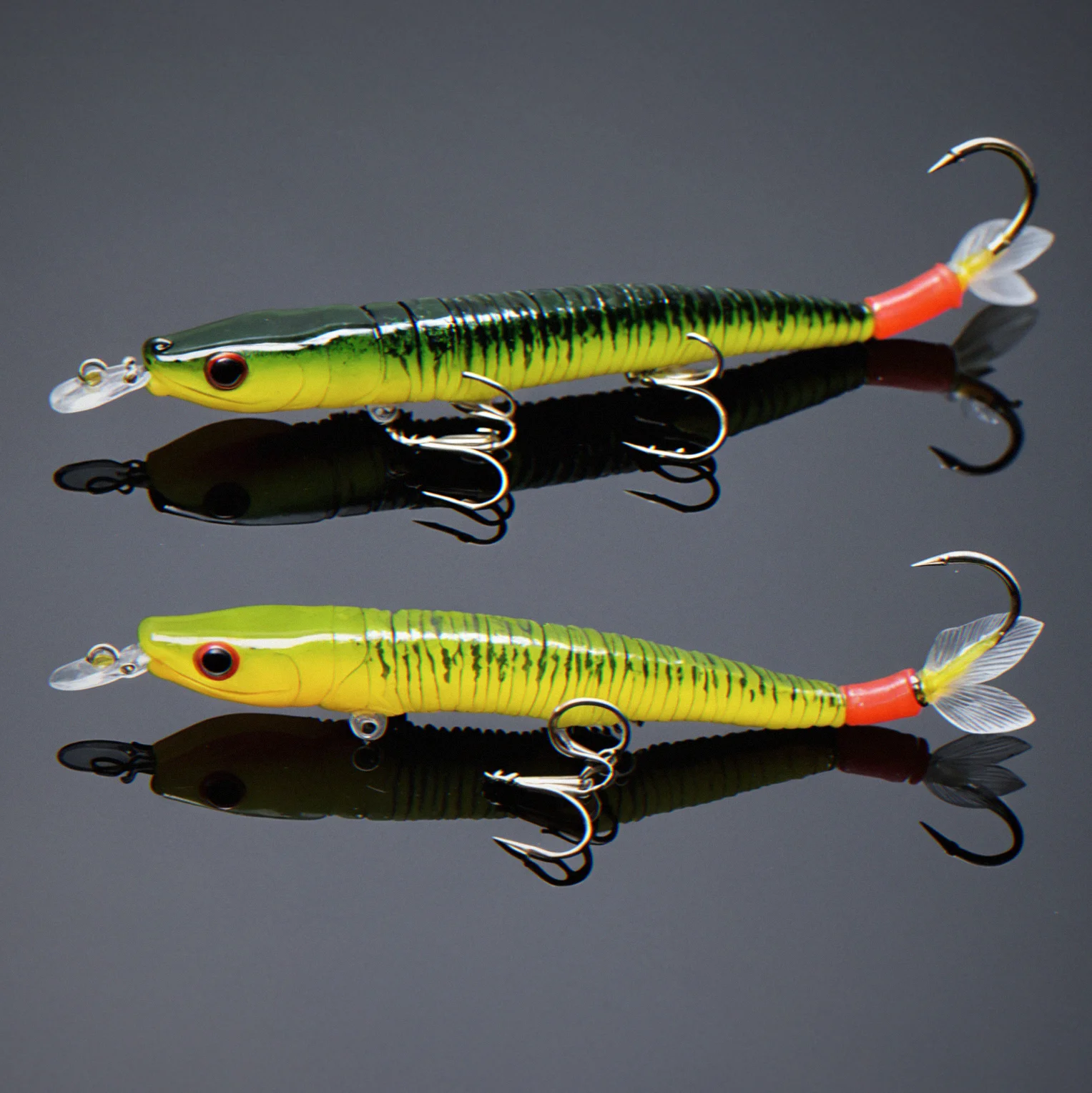
Soft plastics work because pike feel that tail thump through the water.
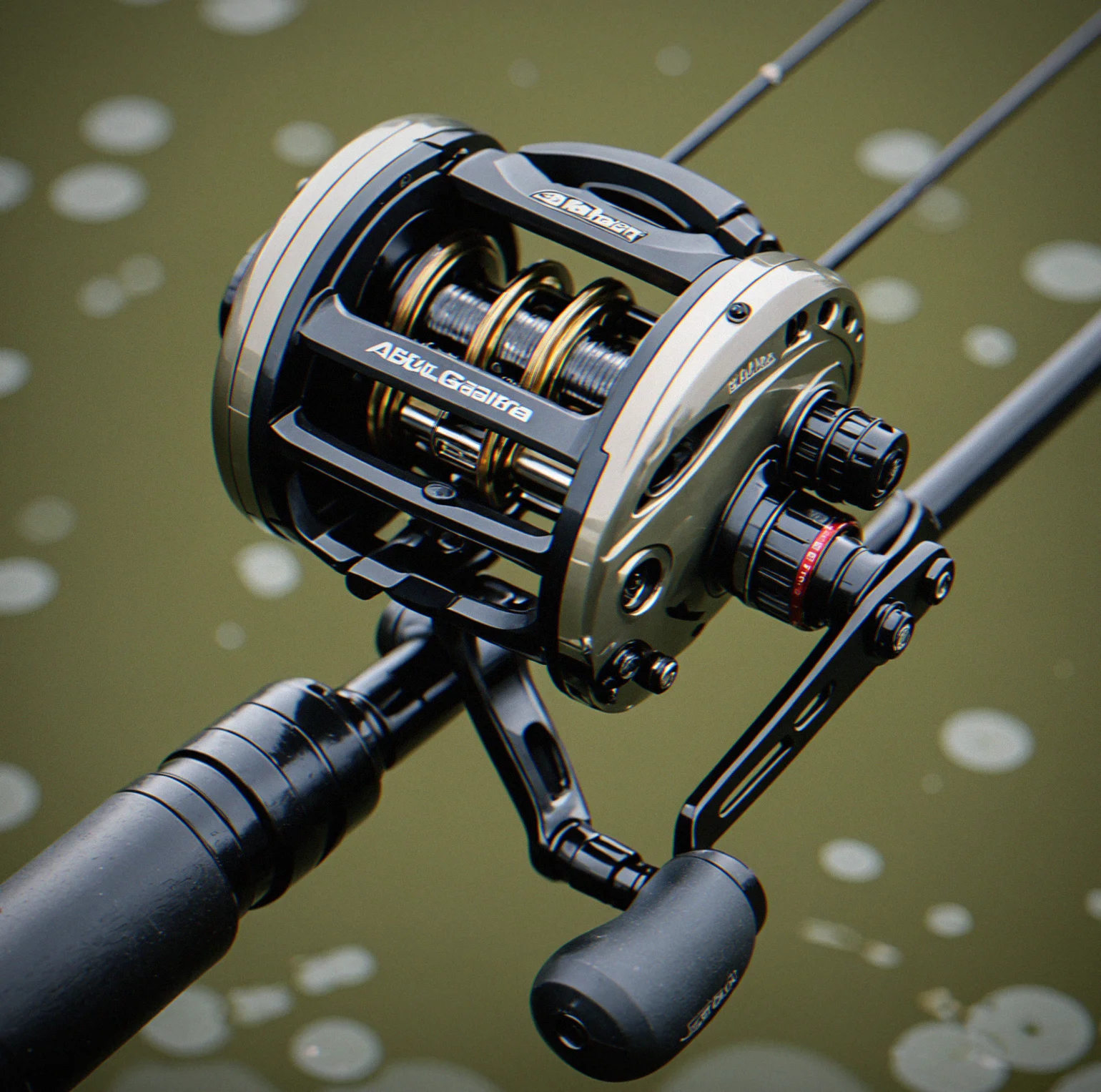
You need smooth drag when the fish is pulling. That's not negotiable.
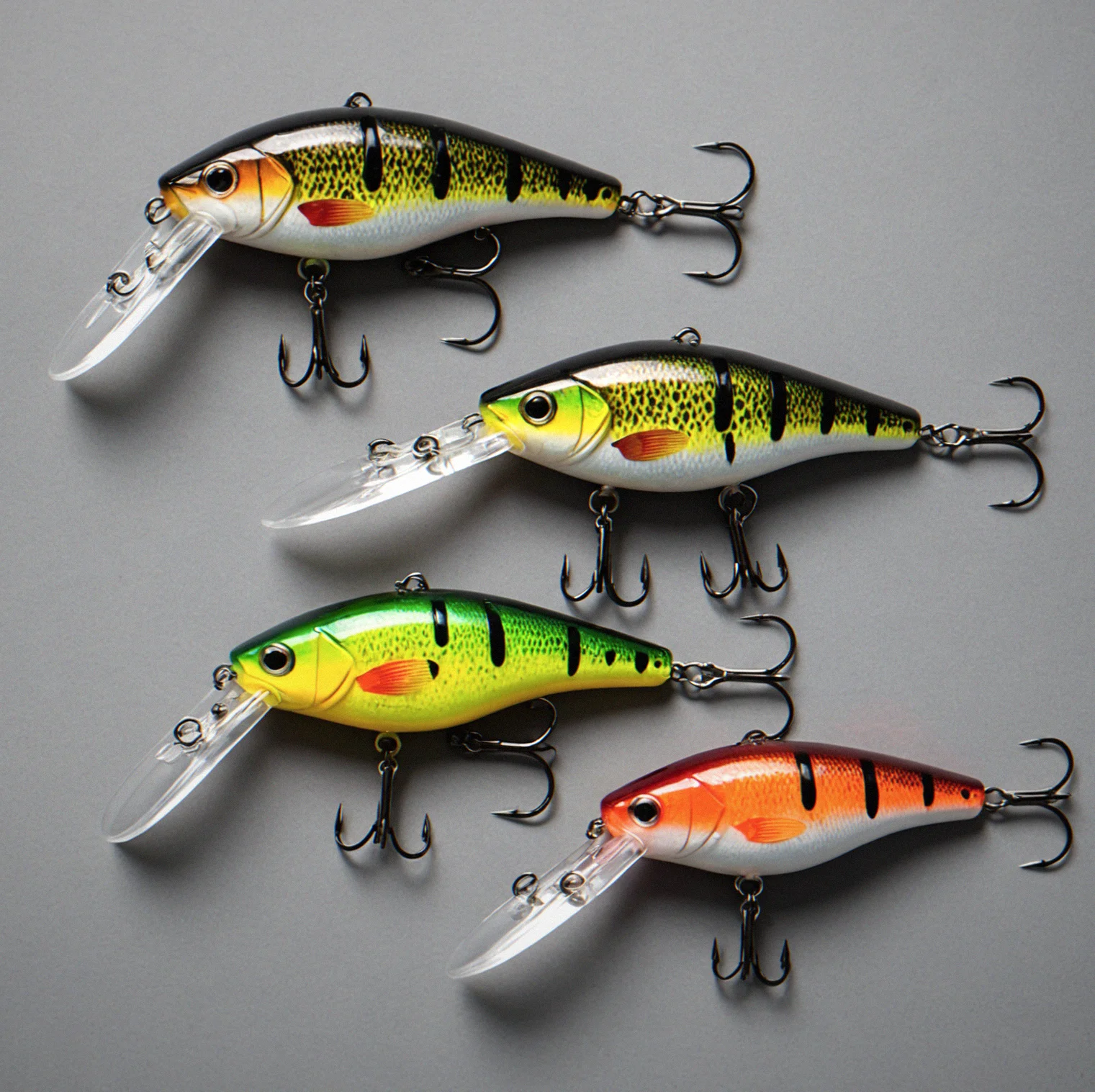
Smaller pike, say under 10 pounds, will chase anything from 8 to 10 centimeters. Once you're looking at 20-pounders, you really need to go 15 centimeters or bigger.
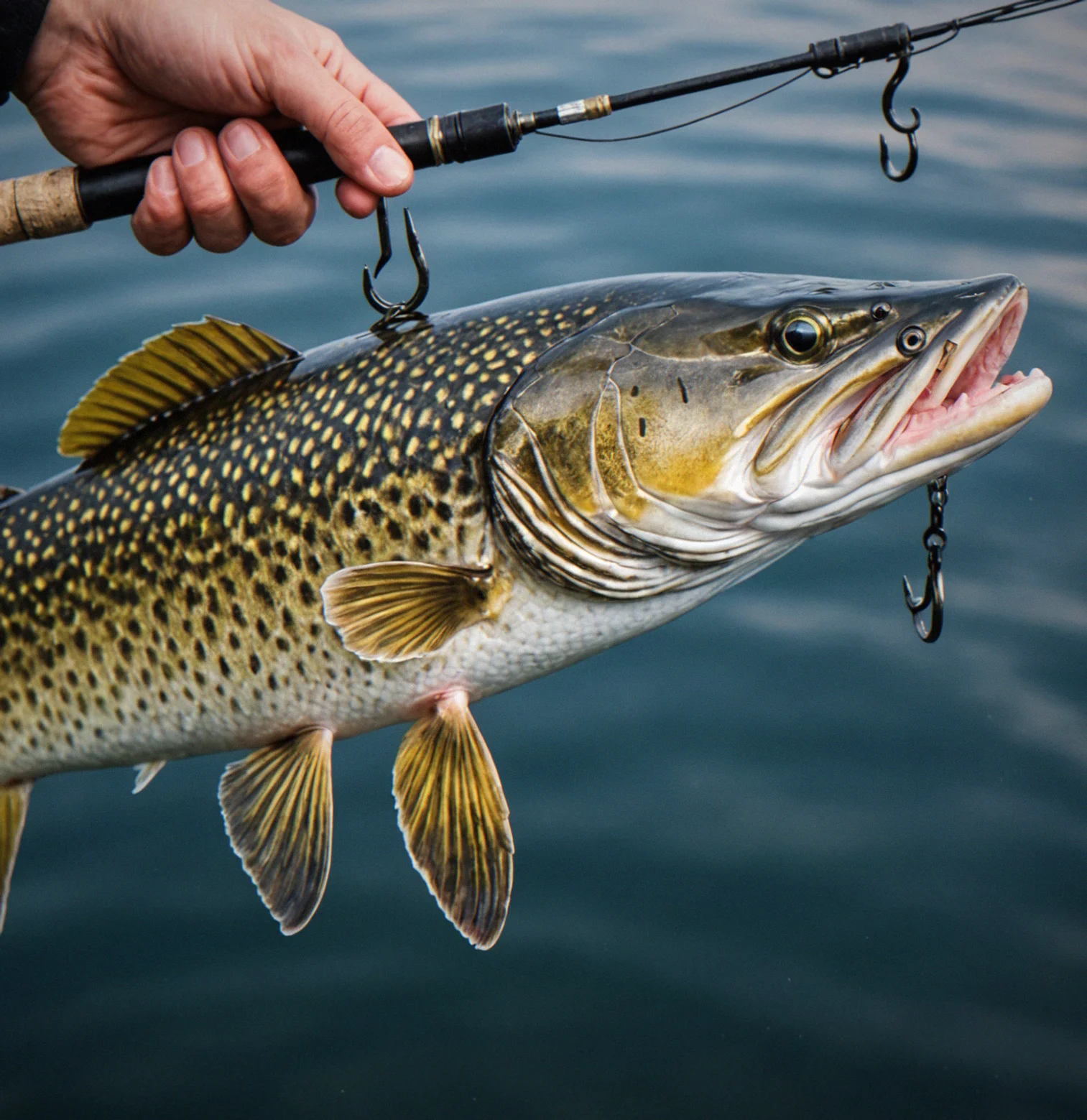
Your leader and knot choice determine whether the hook sets or you lose the fish.
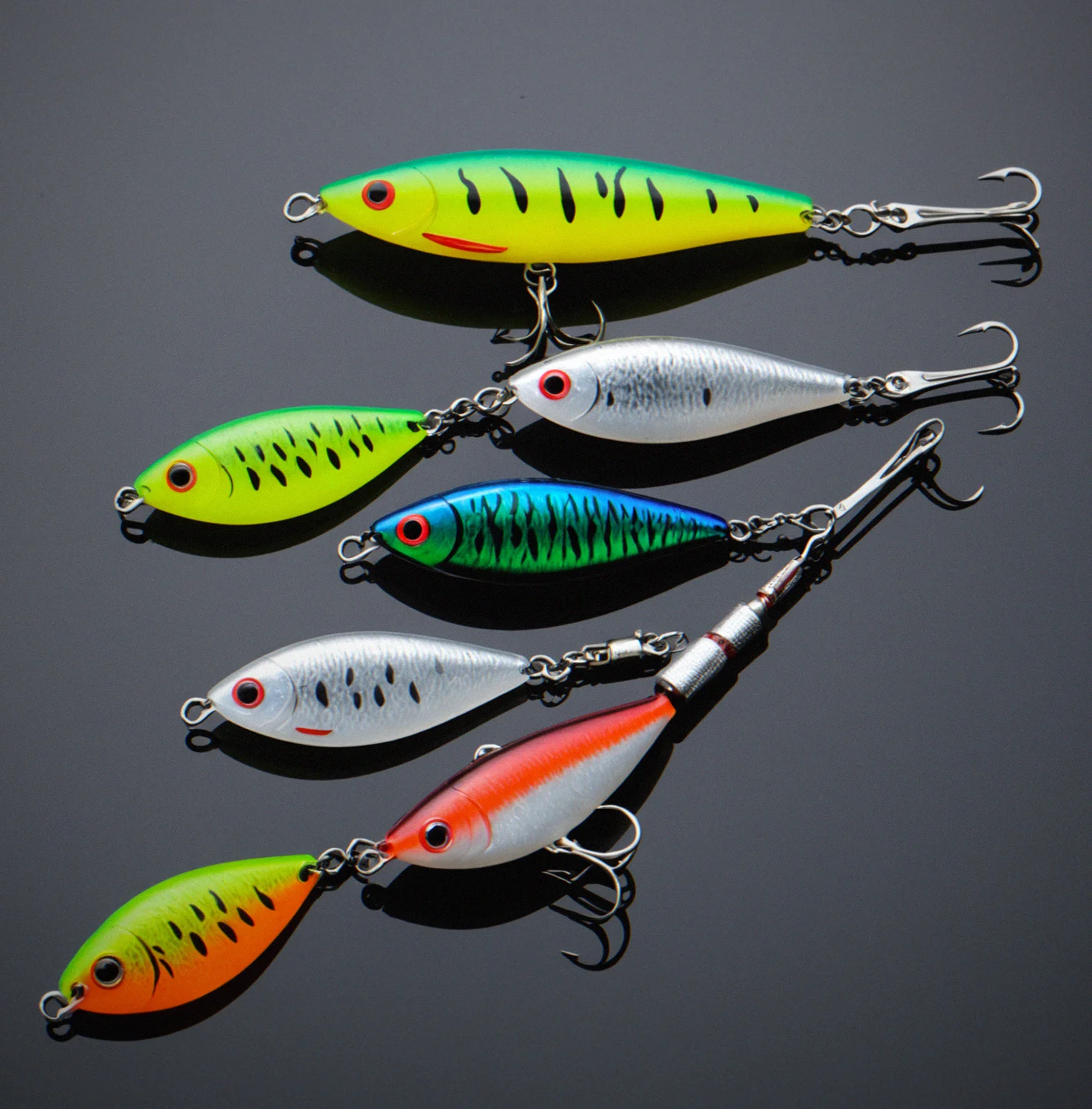
Pike pick up on vibration from a long way off. The blade spinning is doing all the calling.
Pike Fishing Fundamentals
The difference between a decent cast and one that actually works comes down to lure behavior, reading the water, and how well your rod transmits feedback.
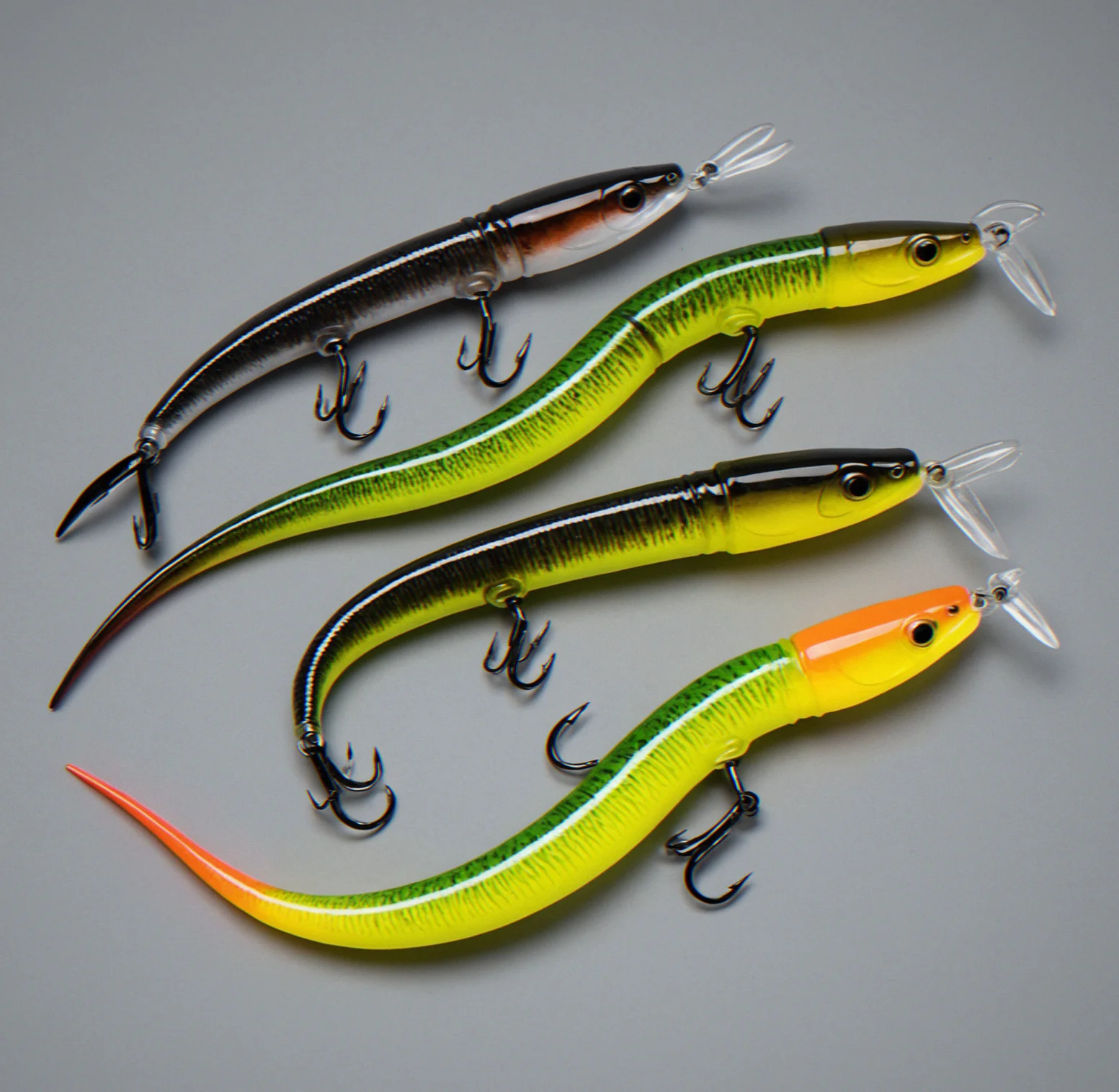
Lure Action Patterns
Action beats color every time. Pike hunt by vibration and movement, not by what your lure looks like. A Savage Gear 6-inch Sandeel produces tail thump that travels through water pressure—pike feel it before they see it. Wobble, flash, and vibration frequency are what pike respond to. Get the rhythm wrong and your lure disappears, no matter how good the paint job is.
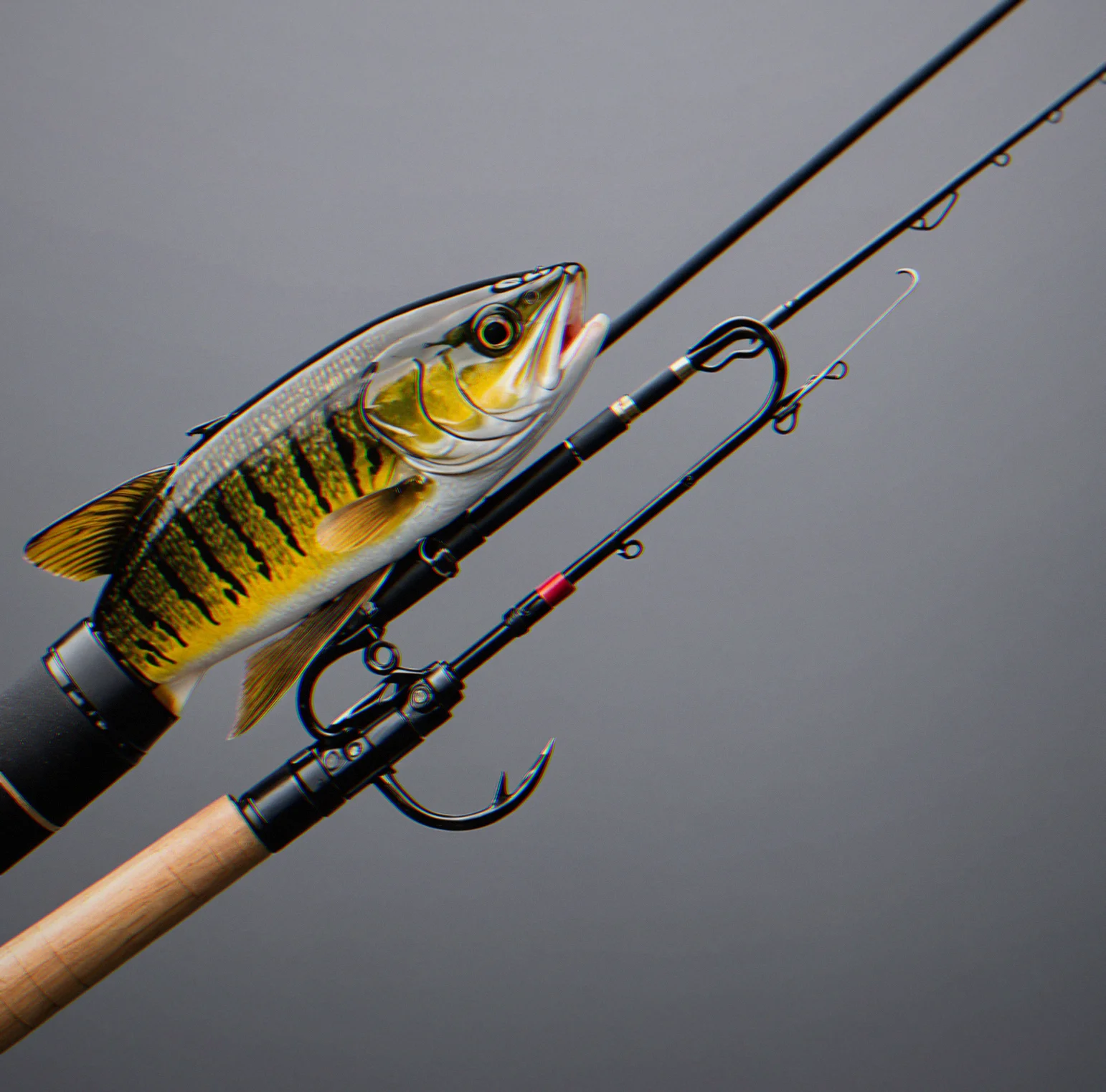
Rod Sensitivity and Strike Detection
A fast-action tip lets you feel takes from deep out. That sensitivity matters because pike often mouth a lure before fully committing—you need that early signal. Medium-heavy to heavy power gives you the backbone to set hooks in a pike's hard jaw. The lower rod sections drive the hook home while the tip stays responsive enough to pick up the initial touch.
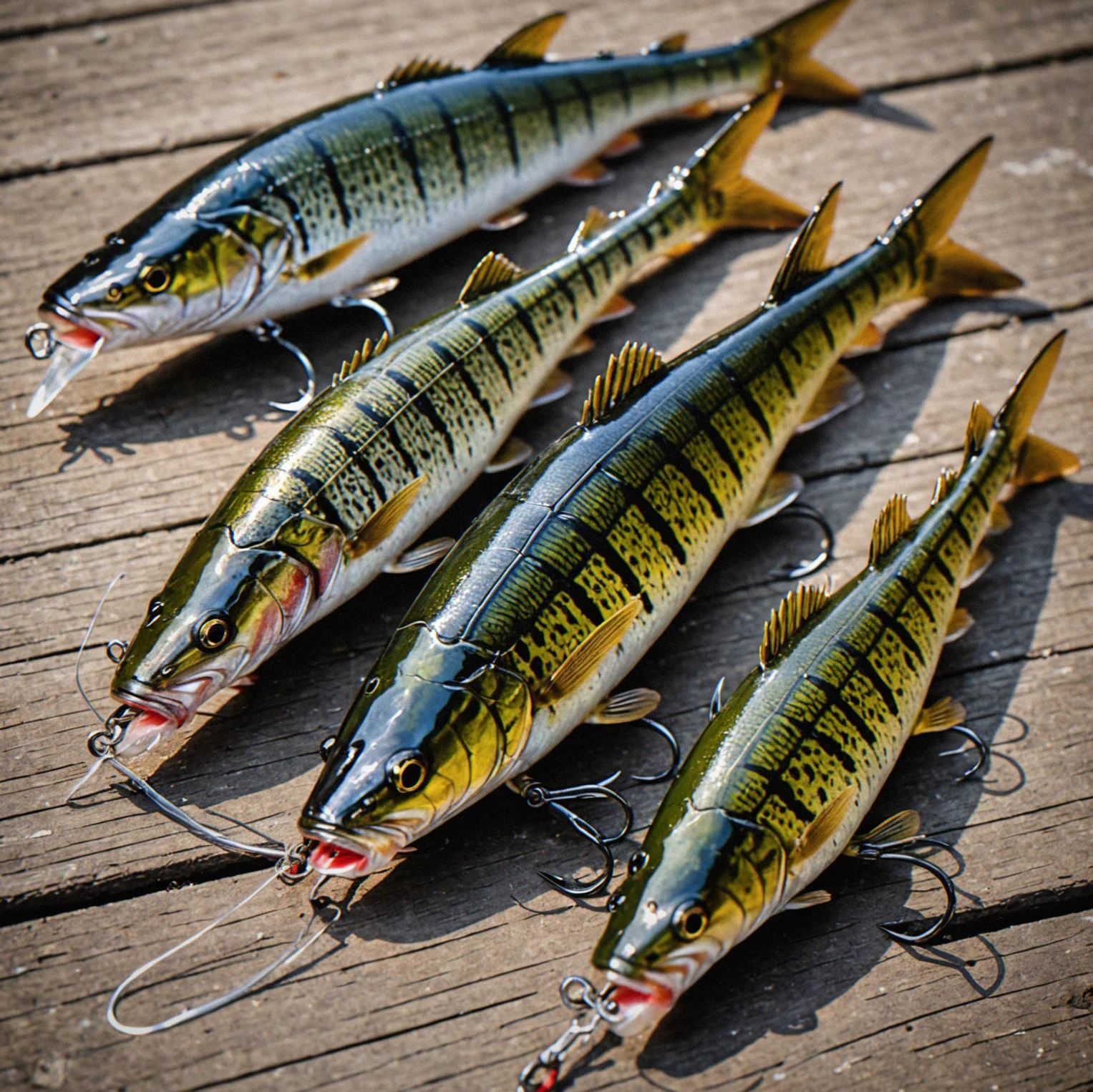
Matching Lure Size to Pike Weight
Pike under five pounds take 4–6cm lures. Go up to 5–15 pounds and you need 8–12 centimetres. Fish pushing 15–30 pounds demand 12–18cm profiles. Oversized lures tire you out and produce fewer strikes. Undersized ones get ignored. The prey-base profile in your water plus the target fish size determines what actually works.
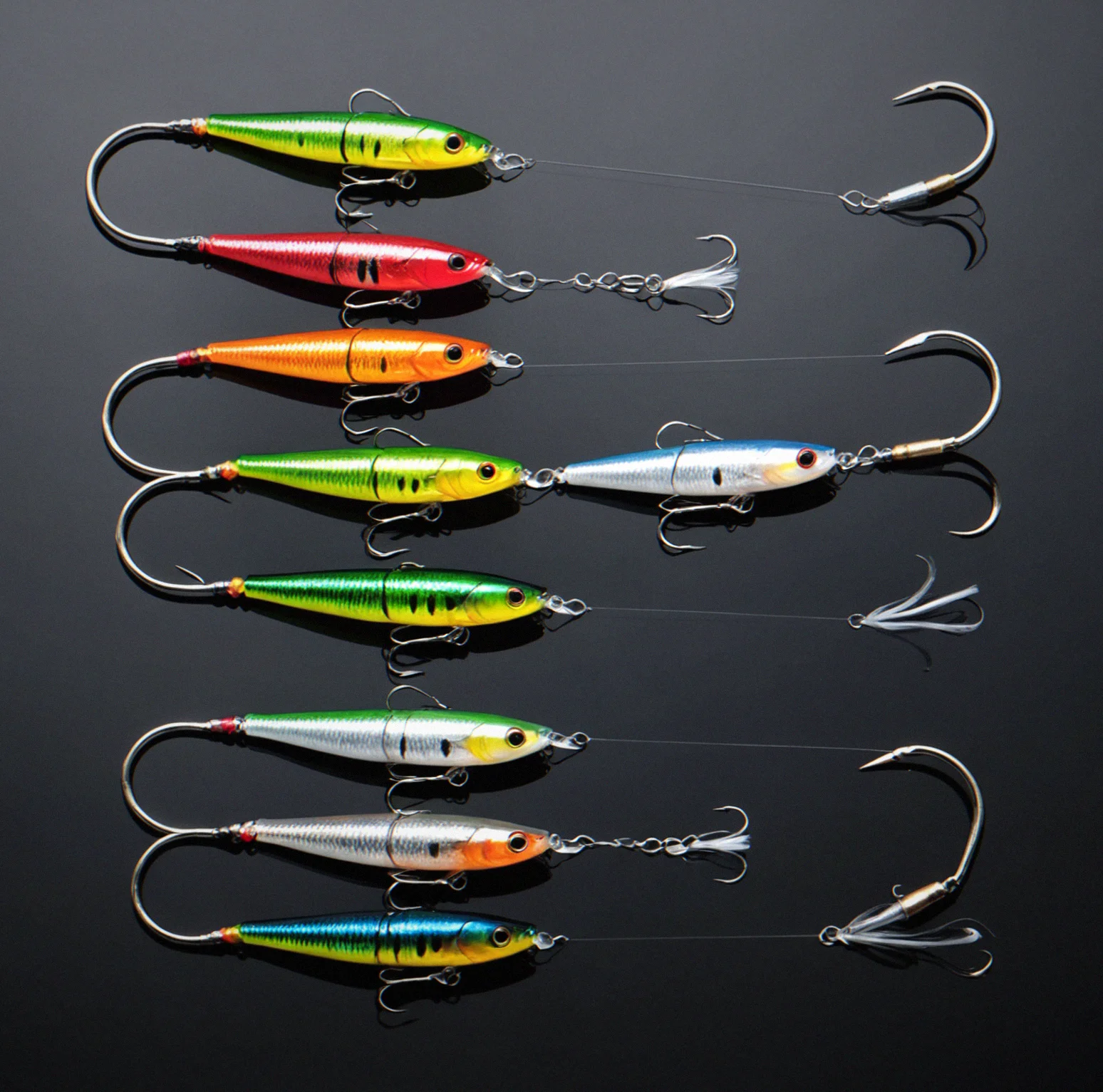
Figure-Eight Retrieves
Cast near structure, retrieve steady until you're a couple feet from the rod tip, then trace a figure-eight pattern in the water. The lure speeds up and slows down in a way that pike find hard to resist. Pike often follow without striking—the eight triggers that final attack. Soft plastics and jerkbaits work best for this. Most beginners do the eight too shallow. Push it deeper.
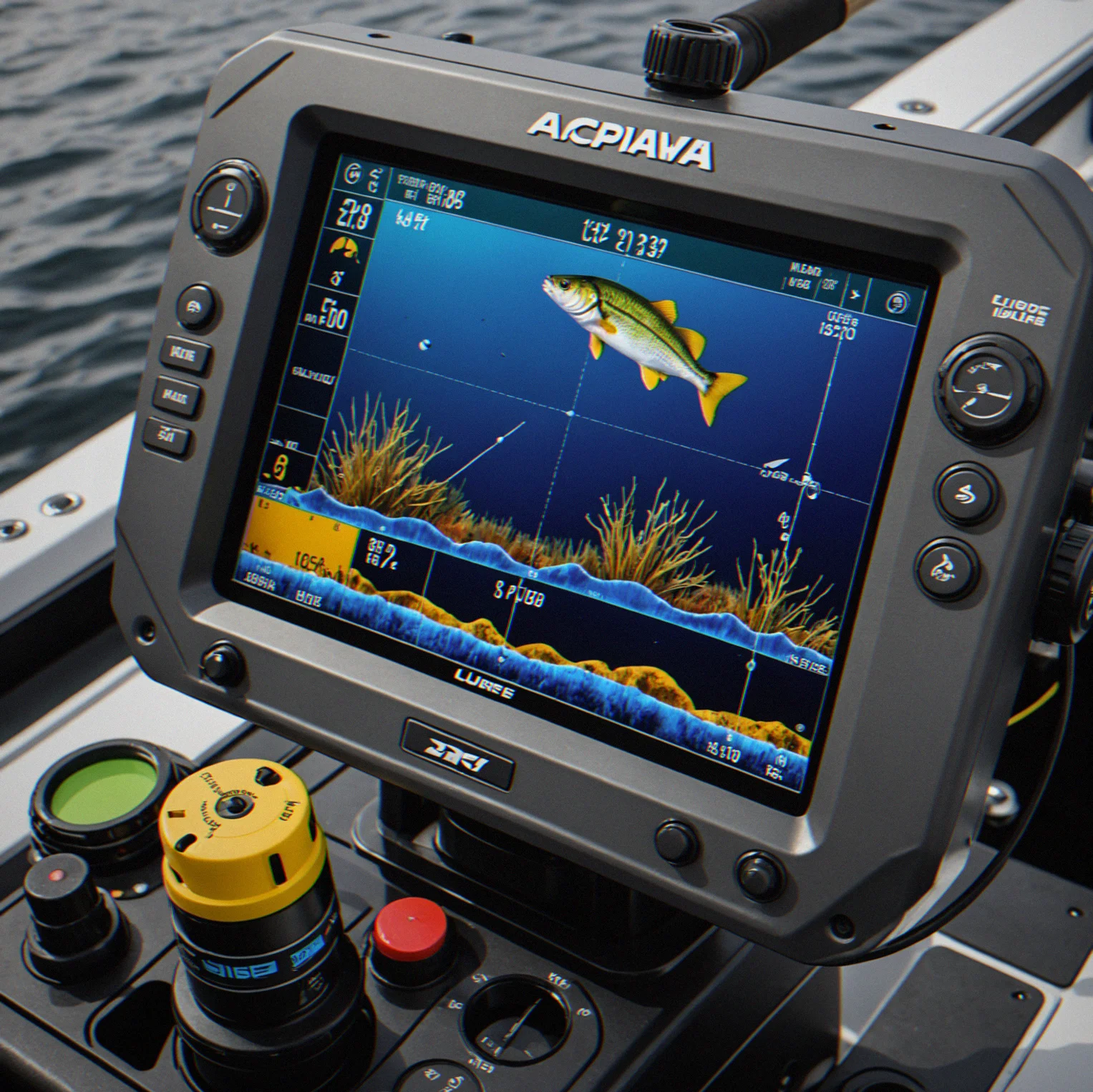
Trolling Depth Control
Let line out depending on your lure's sink rate, keep the boat moving at a steady pace, and use count-down rules or a fish finder to hold the right depth. Pike suspend at different levels based on light and temperature. Trolling gets you across water fast while keeping your lure at the right depth consistently. Midday heat pushes pike deep—adjust for it.
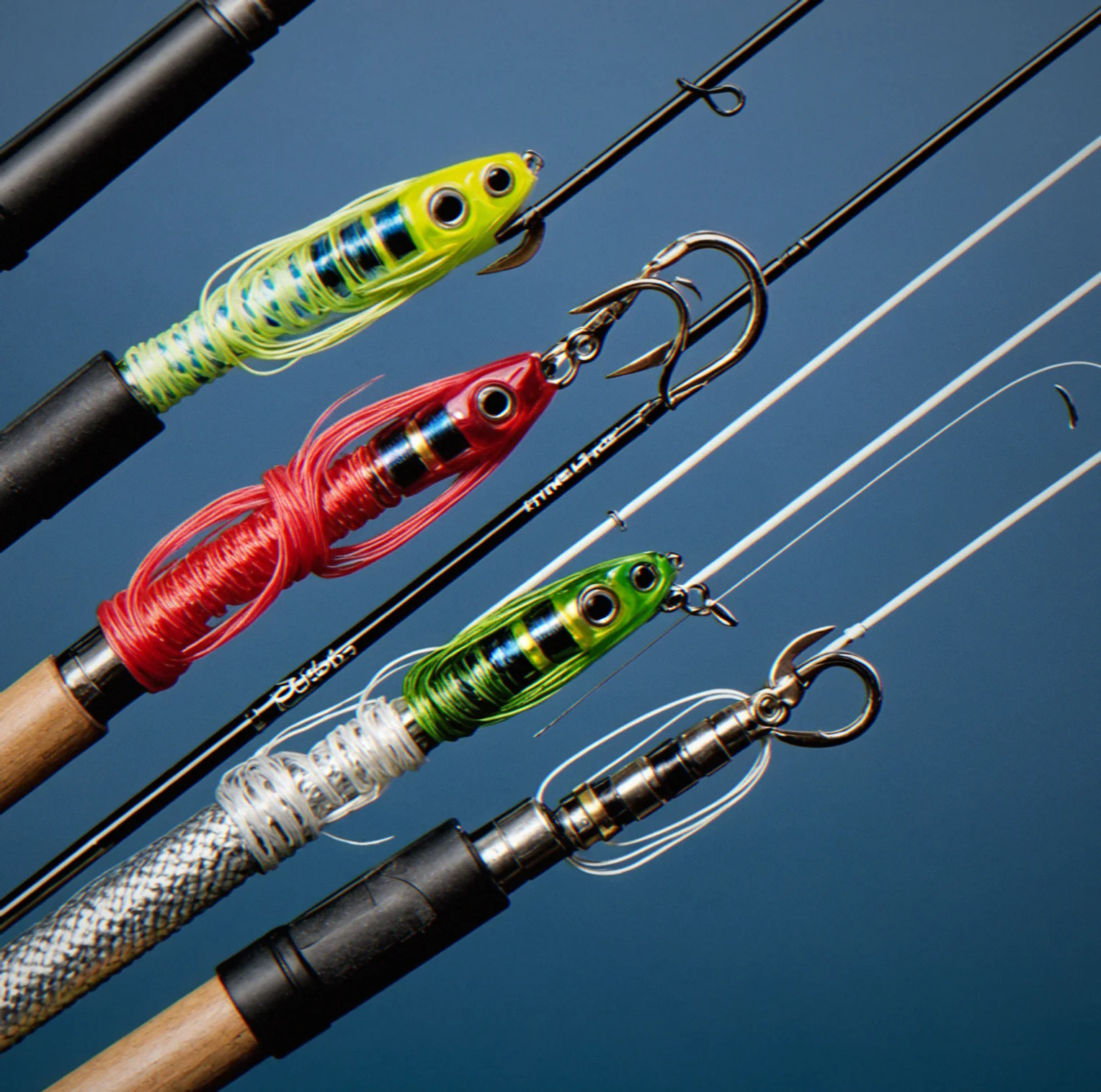
Leader and Line Setup
Fluorocarbon leader (30–50 lb test) tied to main line with an FG knot, somewhere around 18–24 inches long. Pike teeth are sharp—going straight to the lure dies fast. Braid main line (30–50 lb) casts farther and telegraphs strikes better. Monofilament (20–30 lb) stays quieter in clear water. Pick based on your conditions and what you're actually fishing.
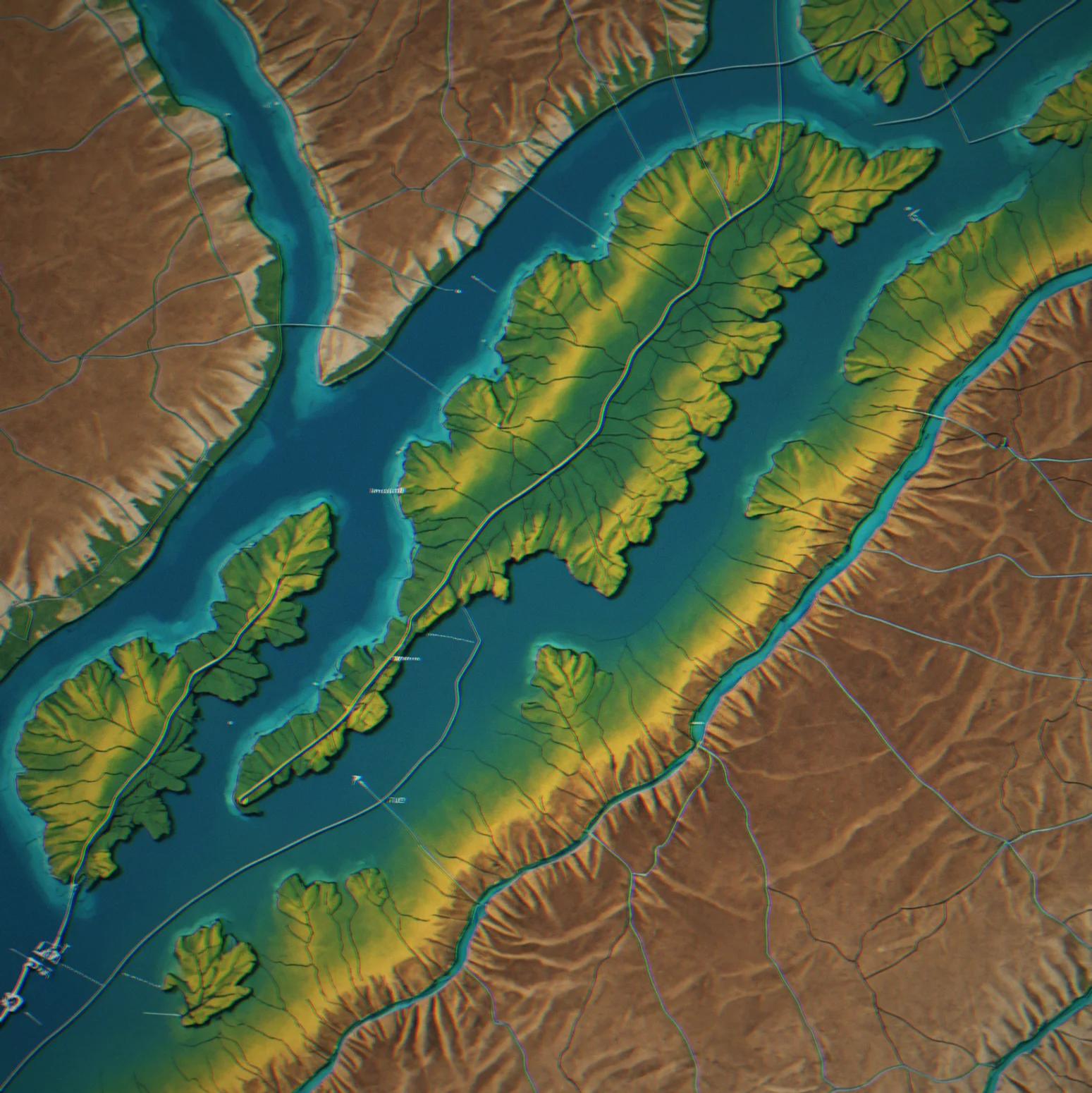
Structure Reading
Pike hunt structure. Shallow vegetation, drop-offs where flats meet channels, rock outcrops, and fallen timber—these are ambush zones. Pike sit behind cover and wait. Cast past the structure, retrieve through it, not around it. Current seams in moving water hold pike because current brings food. Learn to read map contour lines and you stop wasting casts.
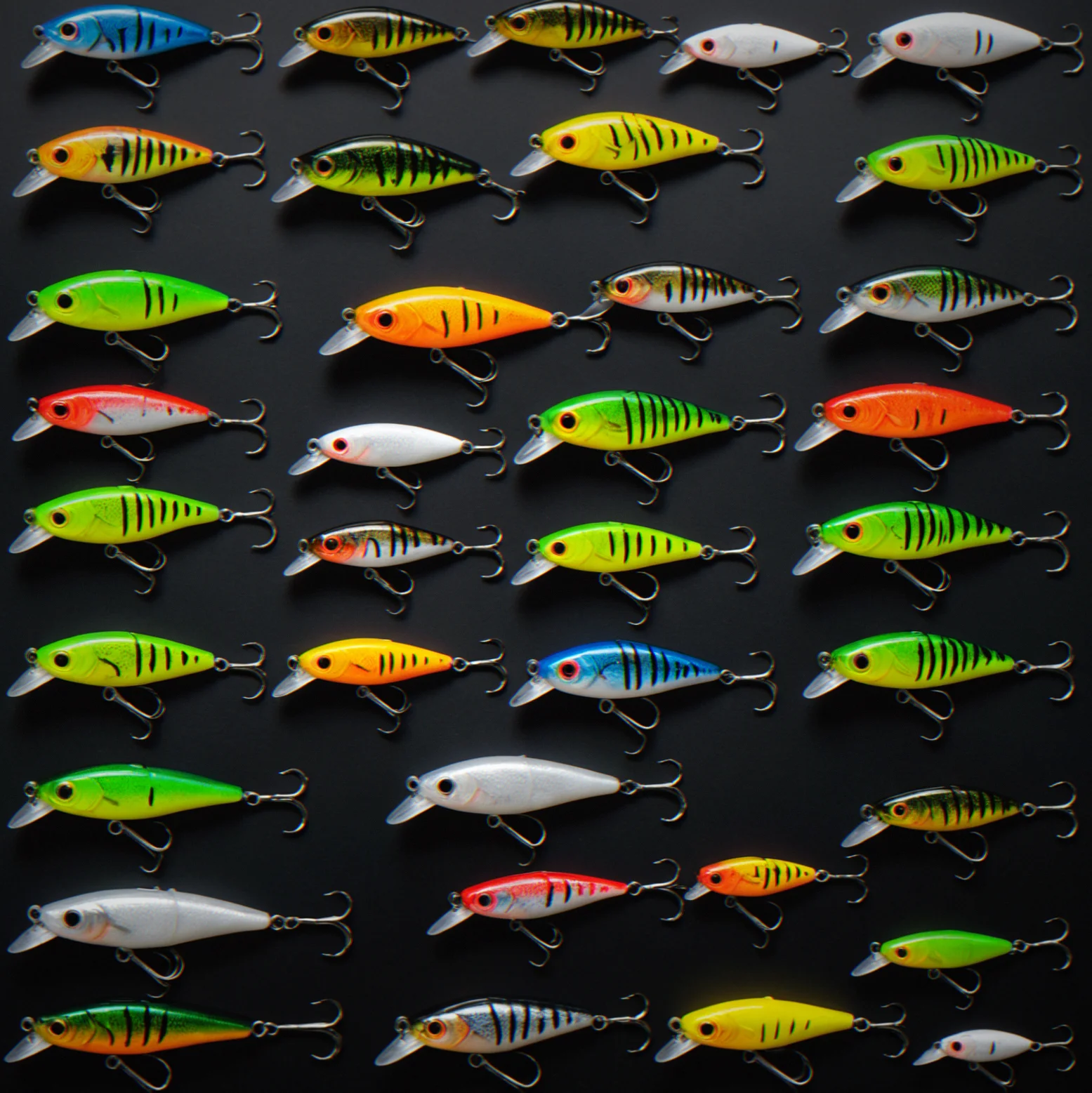
Brand Reliability
Savage Gear soft plastics survive repeated pike strikes without tearing. Rapala hard baits track straight and produce consistent erratic dart patterns. Abu Garcia reels have smooth, predictable drag under load. These brands show up in pike setups because they work. Stock rotates weekly and popular sizes stay in. Special orders take a few business days.
Stock & Setups
Five different ways to fish it and what you need to make it work. Clear water plays different than stained. Shallow weeds aren't drop-offs. Structure's its own thing. You adjust or you don't catch. New here? Sign up and 600 FS* land on your profile — enough to open the private spot maps and dial in the right rig for each of these pike setups.
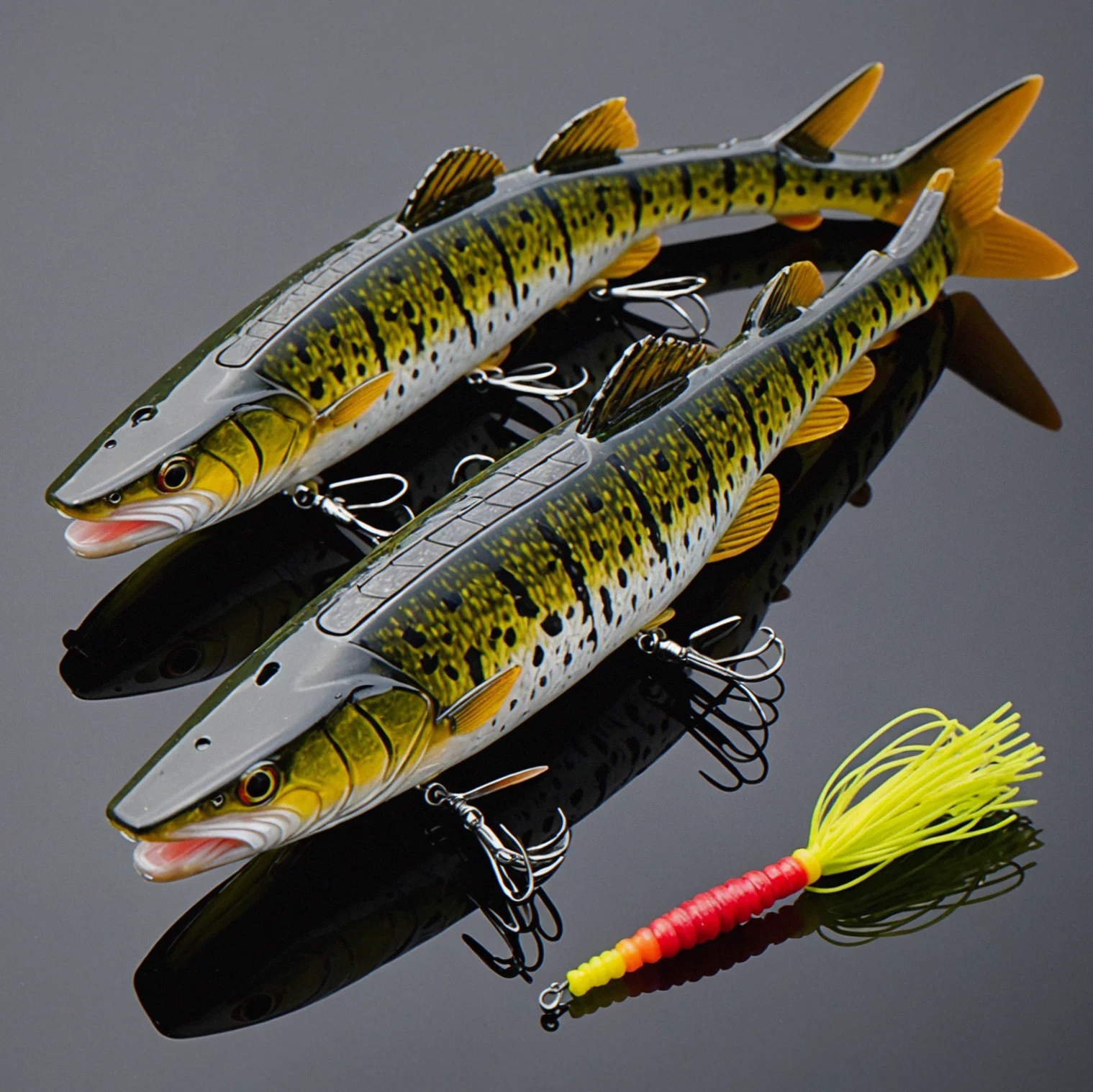
Soft plastics work because the tail thrash moves water. Pike sense it through pressure waves before they ever lay eyes on it.
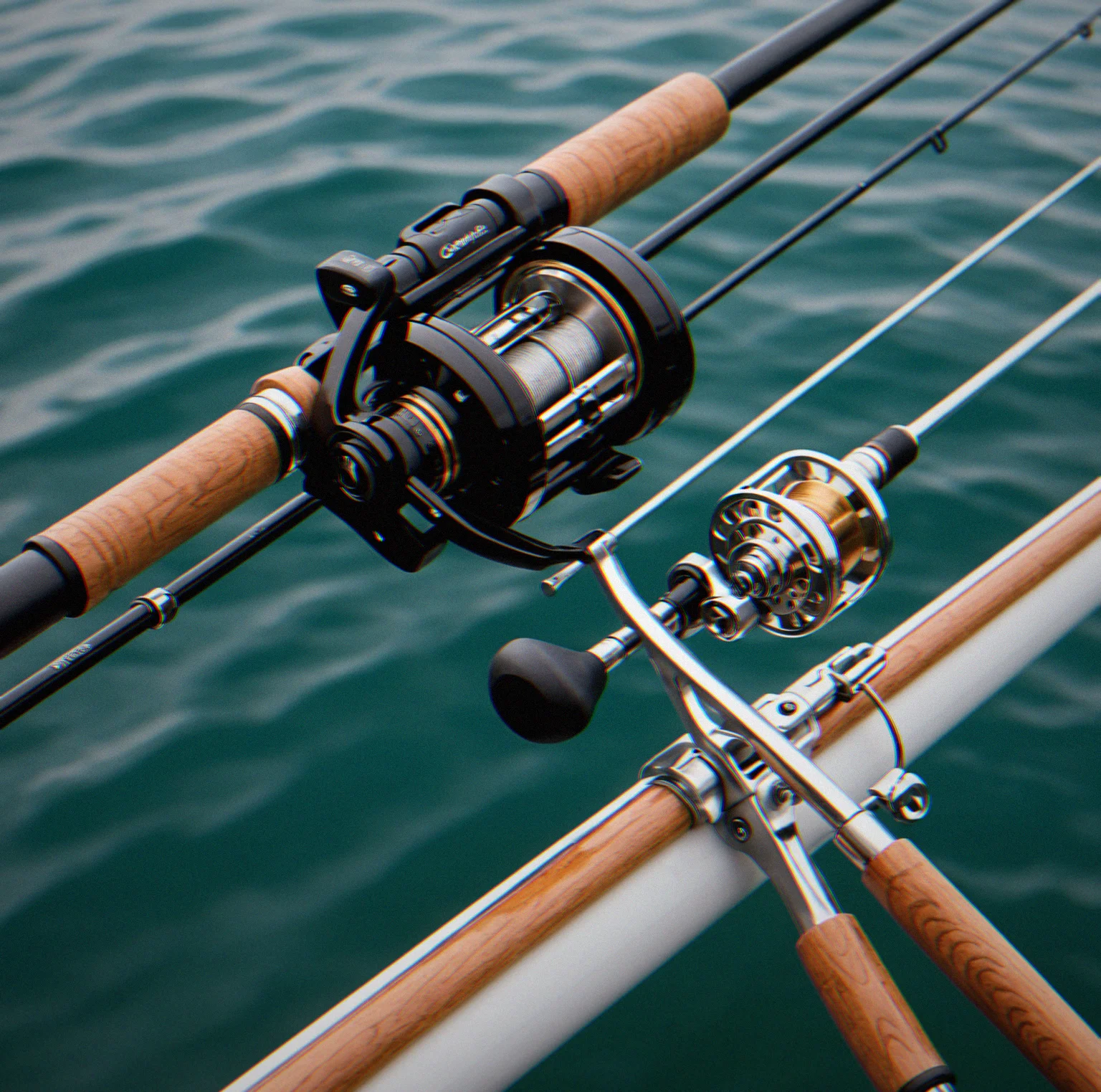
Seven feet of medium-heavy, fast-action. You feel what's happening at the other end, and you've got the power to set the hook. Works from a boat or standing on the bank.
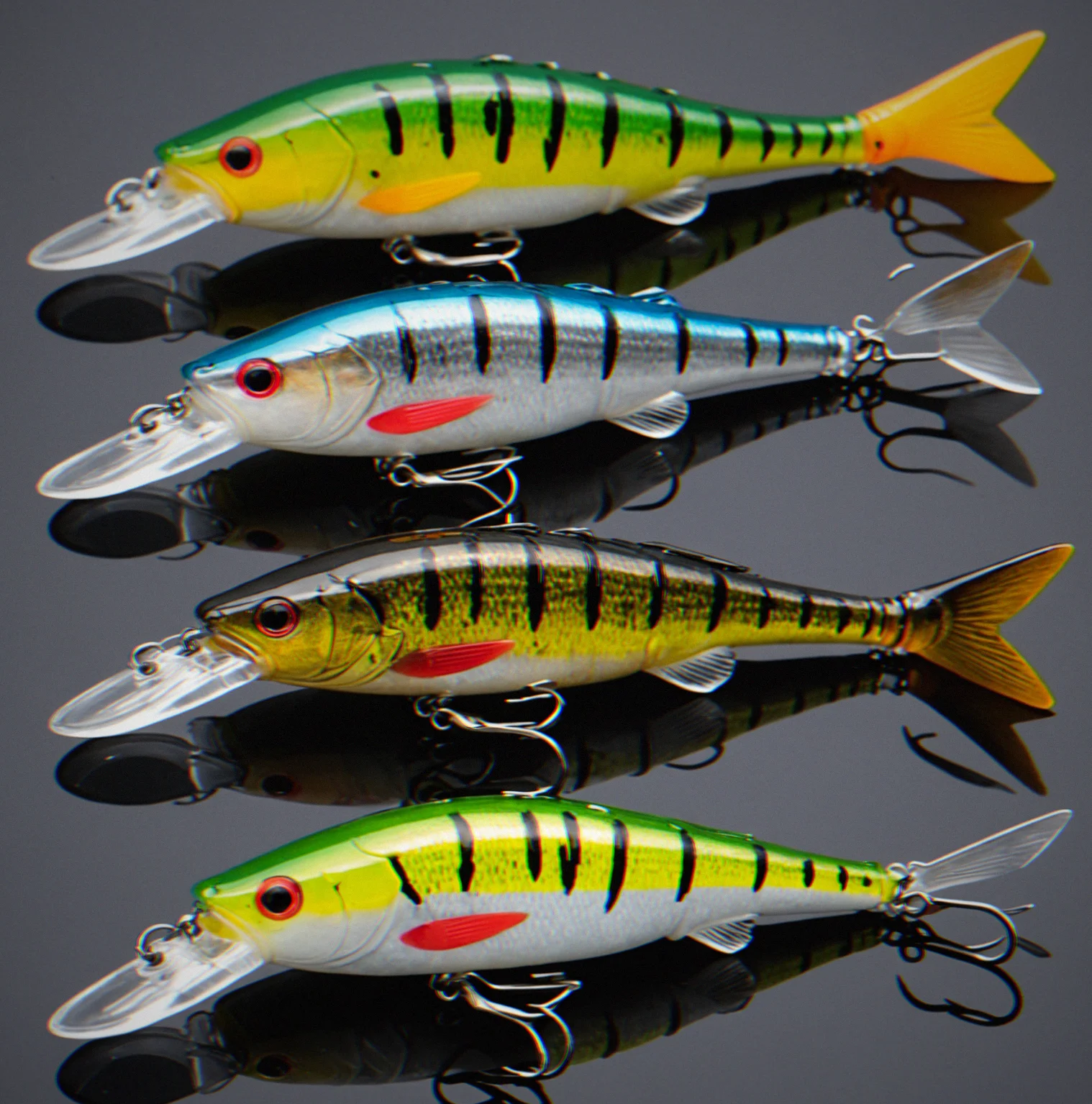
Ten-centimetre handles the small ones. Go thirteen to sixteen when you're targeting fish pushing 15 to 30 pounds.
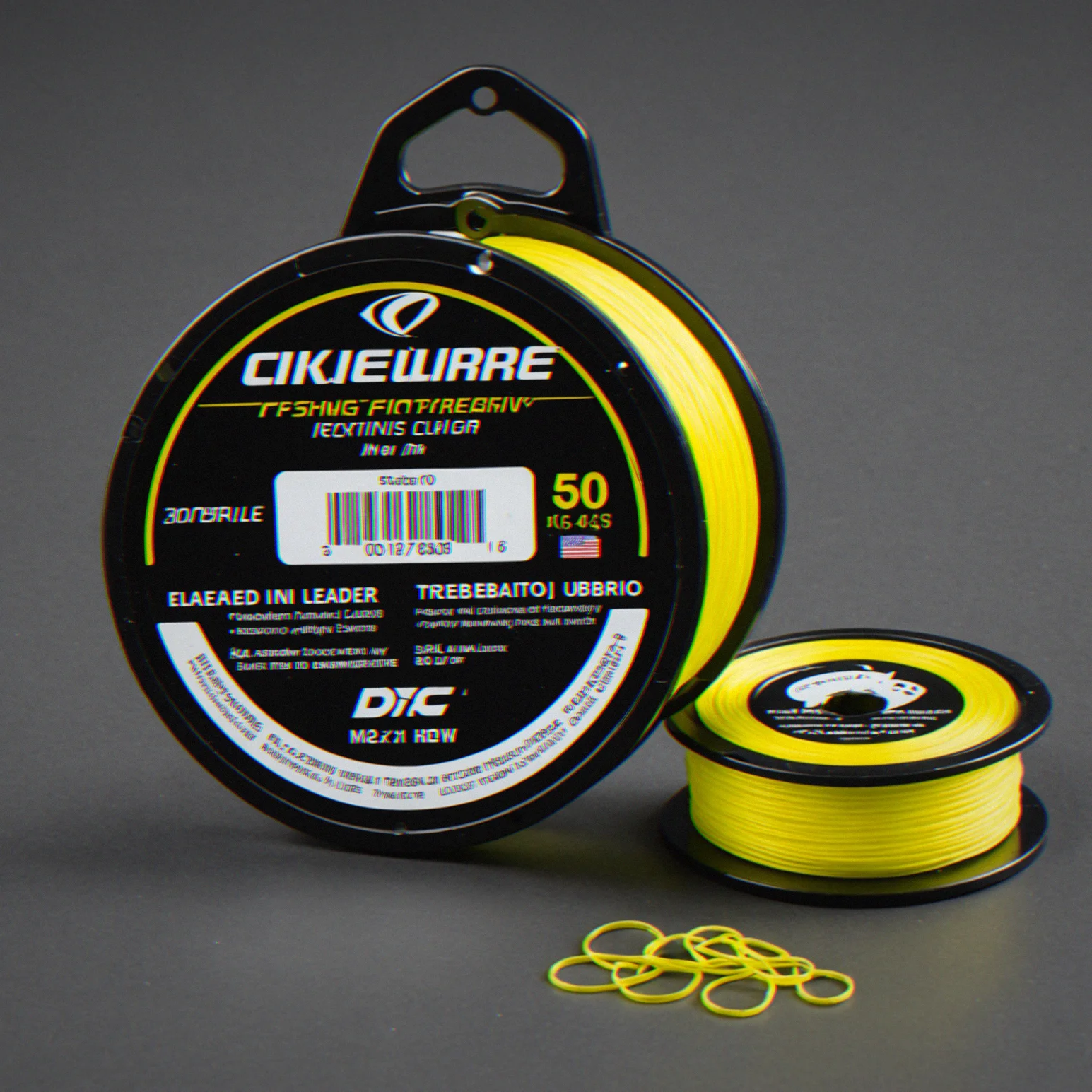
Braid lets you cast farther and feel the bite the instant it happens. Fluorocarbon leader keels pike teeth from cutting through.
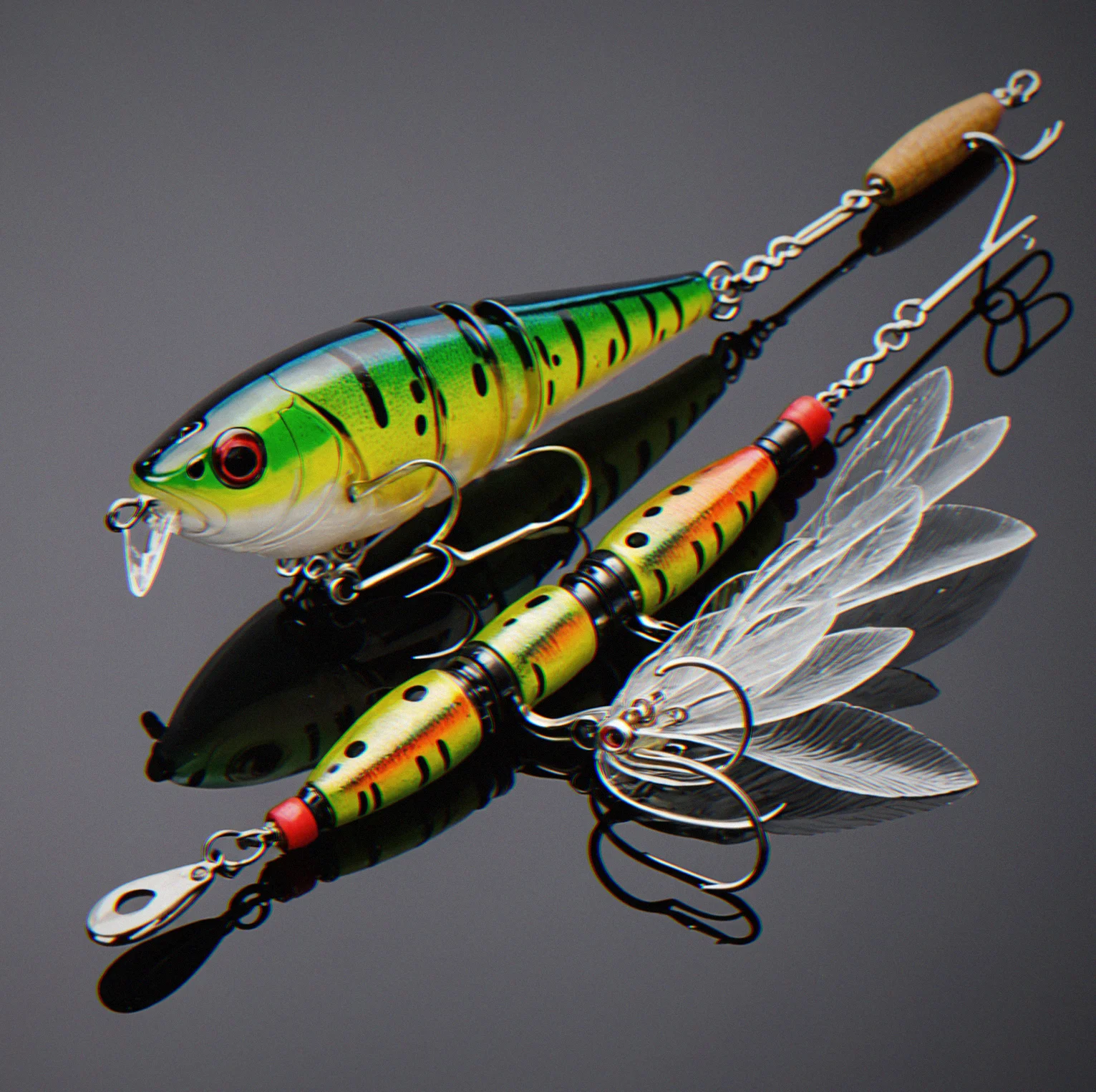
When the blade spins it creates vibration that pike pick up from far away. Not fancy. Not complicated. Just works across any water condition you throw at it.
Common Questions
Pike Fishing Setup & Technique
Actual questions from people learning pike tackle and how to fish it. Didn't see your question here? Email us—we fish pike.